
Choose Your Sector
Explore industries like IT, Healthcare, Finance, Education, Marketing, and more. Start your career in the field that inspires you most!
Latest Job Openings
Find new opportunities that match your talent and career goals.
Our Customers Say
Read what our happy clients have to say about their success stories!
Latest Blog Post
Stay informed with the latest updates and professional insights.

Social Media Advantages and Disadvantages in the Modern World
Social Media: Advantages and Disadvantages in the Modern World In the last two decades, social media has transformed the way people communicate, share information, and interact with the world. Platforms such as Facebook, Instagram, X (formerly Twitter), TikTok, LinkedIn, and Snapchat have become deeply embedded in daily life. From connecting friends across continents to shaping political opinions and business strategies, social media plays a powerful role in modern society. However, while it offers many benefits, it also presents significant challenges. Understanding both the advantages and disadvantages of social media is essential for using it responsibly and effectively. Advantages of Social Media 1. Enhanced Communication and Connectivity One of the greatest advantages of social media is its ability to connect people instantly, regardless of geographical boundaries. Friends and family members can stay in touch through messages, voice calls, and video chats. Social media helps maintain relationships that might otherwise fade due to distance or busy schedules. It also allows people to reconnect with old friends and classmates, strengthening social bonds. 2. Access to Information and Awareness Social media has become a major source of news and information. Users can stay updated on current events, global issues, educational content, and social movements in real time. Awareness campaigns related to health, environment, and social justice often gain momentum through social media, reaching millions of people quickly. This rapid spread of information can encourage public participation and positive social change. 3. Educational Opportunities Many students and professionals use social media as a learning tool. Platforms host educational videos, tutorials, webinars, and discussion forums on almost any topic imaginable. Teachers and institutions use social media to share resources, assignments, and announcements. Additionally, learners can interact with experts, join study groups, and access free or low-cost educational content, making learning more accessible. 4. Business and Career Growth Social media has revolutionized marketing and entrepreneurship. Businesses use social platforms to promote products, interact with customers, and build brand identity at a relatively low cost. Small businesses and startups, in particular, benefit from targeted advertising and direct customer engagement. On a professional level, platforms like LinkedIn help individuals network, find job opportunities, and showcase their skills and achievements. 5. Creativity and Self-Expression Social media provides a space for creativity and self-expression. Users can share photos, videos, art, writing, and opinions with a global audience. Content creators, influencers, musicians, and artists often gain recognition and income through social media platforms. This freedom of expression empowers individuals to share their voices and talents in ways that were not possible before. 6. Community Building and Support Online communities bring together people with shared interests, experiences, or challenges. Support groups for mental health, chronic illness, parenting, or hobbies can offer encouragement and advice. For individuals who feel isolated in their offline lives, social media communities can provide a sense of belonging and emotional support. Disadvantages of Social Media 1. Addiction and Time Consumption One of the most common drawbacks of social media is its addictive nature. Many users spend excessive amounts of time scrolling through feeds, watching videos, or seeking validation through likes and comments. This can lead to reduced productivity, poor time management, and neglect of real-life responsibilities such as studies, work, and relationships. 2. Mental Health Issues Social media can negatively impact mental health, especially among teenagers and young adults. Constant exposure to curated images of success, beauty, and happiness can lead to comparison, low self-esteem, anxiety, and depression. Cyberbullying, online harassment, and negative comments further contribute to emotional distress and, in severe cases, self-harm. 3. Spread of Misinformation While social media allows fast access to information, it also facilitates the spread of misinformation and fake news. False or misleading content can spread rapidly, influencing public opinion and causing confusion or fear. Without proper fact-checking, users may accept inaccurate information as truth, which can have serious social and political consequences. 4. Privacy and Security Concerns Social media platforms collect vast amounts of personal data, often without users fully understanding how it is used. Privacy breaches, data leaks, and identity theft are significant risks. Oversharing personal information can also make users vulnerable to scams, stalking, or cybercrime. Once information is posted online, it can be difficult or impossible to remove completely. 5. Reduced Face-to-Face Interaction Excessive use of social media can weaken real-life social skills and relationships. People may prioritize online interactions over face-to-face communication, leading to shallow connections. Family time, friendships, and meaningful conversations can suffer when individuals are constantly distracted by their devices. 6. Negative Influence on Youth Children and teenagers are particularly vulnerable to the negative effects of social media. Exposure to inappropriate content, unrealistic standards, and peer pressure can influence behavior and values. Social media may also affect academic performance by distracting students from their studies and reducing attention span. Finding a Healthy Balance Despite its disadvantages, social media is not inherently harmful. The key lies in how it is used. Setting time limits, following positive and educational content, verifying information before sharing, and maintaining privacy settings can help reduce risks. Encouraging offline activities, face-to-face communication, and digital literacy is especially important for young users. Conclusion Social media is a powerful tool that has reshaped communication, education, business, and entertainment. Its advantages include global connectivity, access to information, learning opportunities, and creative expression. However, it also presents serious challenges such as addiction, mental health issues, misinformation, and privacy concerns. By using social media responsibly and mindfully, individuals can maximize its benefits while minimizing its negative effects. In a rapidly evolving digital world, awareness and balance are essential to ensuring that social media remains a positive force in society.
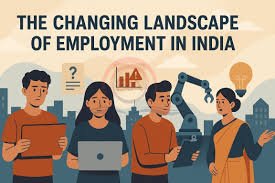
Exploring Jobs in India
Exploring Jobs in India: A Comprehensive Guide to the Evolving Job Market India, one of the world's fastest-growing economies, offers an expansive job market with a variety of opportunities for both fresh graduates and experienced professionals. With a population of over 1.4 billion people, the country is a hub of diversity, innovation, and growth, where the demand for skilled talent is continually on the rise. From traditional sectors like agriculture and manufacturing to newer fields like technology, healthcare, and renewable energy, India's job landscape is constantly evolving. In this blog, we will delve deep into the various job opportunities available across industries, the skill sets that are currently in demand, and how the future of work in India is shaping up. Whether you are a student about to enter the job market or a professional looking to switch careers, this guide will provide valuable insights into the opportunities available in India today. The Job Market Landscape in India India's job market is characterized by rapid changes, driven by technological advancements, shifting demographics, and economic development. The country’s labor force is one of the largest in the world, and India continues to produce millions of graduates every year. However, despite the growing number of educated individuals entering the workforce, India still faces significant challenges, including unemployment, underemployment, and a mismatch between skills and job requirements. Nevertheless, India’s job market offers a wealth of opportunities across different sectors. According to the International Labour Organization (ILO), India’s workforce participation is expected to continue rising, especially in urban areas, as more people join the workforce to meet the demands of a burgeoning economy. Key Sectors Offering Job Opportunities in India 1. Information Technology (IT) and Software Services The IT sector in India has been a driving force behind the country's economic growth, contributing to both employment and export revenues. India's large pool of skilled engineers and developers has turned the country into a global hub for IT outsourcing. Indian cities like Bengaluru, Hyderabad, Pune, Chennai, and Gurgaon have become key destinations for international companies seeking affordable, high-quality IT solutions. The demand for professionals in fields like software development, data analysis, cloud computing, artificial intelligence (AI), machine learning (ML), cybersecurity, and digital marketing is growing rapidly. The rise of tech startups, as well as the increasing use of technology across industries, has further accelerated job growth in this sector. Skills in Demand: Programming languages (Java, Python, C++, JavaScript) Data analysis and machine learning Cloud technologies (AWS, Azure, Google Cloud) Cybersecurity UX/UI design and development Blockchain technology 2. Healthcare and Biotechnology With India’s large and growing population, the demand for healthcare professionals continues to rise. The healthcare sector in India is expected to grow significantly, not only due to the increase in health-conscious consumers but also because of government initiatives to improve healthcare infrastructure and services. In addition to traditional healthcare roles such as doctors, nurses, and medical technicians, new fields in biotechnology, health informatics, and telemedicine are gaining prominence. India’s pharmaceutical industry, one of the largest in the world, continues to see growth, creating jobs in research and development, manufacturing, and regulatory affairs. Skills in Demand: Medical degrees (Doctors, Nurses, Technicians) Medical Research & Biotechnology Health technology (Telemedicine, Digital health platforms) Pharmaceutical management and drug manufacturing 3. Education and EdTech Education is one of the largest sectors in India, and with the increasing penetration of the internet, the EdTech industry has seen explosive growth in recent years. The shift towards online learning platforms, which offer courses in everything from academic subjects to professional skills, is creating a wide range of job opportunities. Besides traditional roles like teachers, trainers, and administrators, there is also growing demand for instructional designers, curriculum developers, content creators, and educational consultants. The government’s emphasis on skill development and improving the quality of education in India is also contributing to the expansion of the education sector. Skills in Demand: Teaching & academic administration Educational technology (EdTech platforms) Content creation and instructional design Curriculum development 4. Finance and Banking The financial services sector in India is one of the largest contributors to the economy, with a rapidly expanding banking and financial technology (FinTech) industry. The growth of digital payments, online banking, and mobile wallets has created job opportunities in both the public and private sectors. Additionally, the increasing need for financial inclusion and investment management has spurred the rise of new roles in wealth management and financial advising. Corporate finance, accounting, insurance, auditing, and risk management are traditional job roles that remain in high demand. Moreover, the emergence of blockchain and cryptocurrency technologies is creating new opportunities in the financial sector. Skills in Demand: Financial analysis, accounting, and auditing Risk management Wealth management and financial advisory FinTech (Blockchain, Cryptocurrency) Regulatory compliance and taxation 5. Manufacturing and Engineering India’s manufacturing sector is seeing substantial growth, with significant contributions from industries such as automotive, textiles, consumer electronics, and heavy machinery. As part of the government's Make in India initiative, there has been a push to improve India’s manufacturing capabilities and increase production in key industries. The demand for skilled engineers, machine operators, and production managers remains strong, as does the need for experts in automation, supply chain management, and industrial engineering. Additionally, the growth of renewable energy and green technologies is driving job creation in energy management, solar power, and sustainability-focused engineering roles. Skills in Demand: Mechanical, civil, and electrical engineering Supply chain and logistics management Automation and robotics Renewable energy and sustainability 6. Retail and E-Commerce The retail industry in India is one of the largest employers, and the rise of e-commerce has reshaped the landscape. Online shopping platforms such as Amazon, Flipkart, and Myntra have seen massive growth in recent years, creating thousands of new jobs in areas such as logistics, customer service, digital marketing, and e-commerce management. E-commerce platforms, along with traditional retail outlets, require professionals in merchandising, sales, supply chain management, and marketing to reach an increasingly tech-savvy customer base. Skills in Demand: E-commerce and digital marketing Logistics and supply chain management Merchandising and sales Customer service and experience 7. Media, Entertainment, and Content Creation India has a vibrant media and entertainment industry that includes television, film, digital media, music, and gaming. As India’s internet penetration continues to rise, digital content consumption has soared, leading to a surge in demand for content creators, digital marketers, social media managers, and video production professionals. With the rapid growth of digital streaming platforms like Netflix, Hotstar, and YouTube, there is a growing demand for content creators, video editors, scriptwriters, and social media influencers. Traditional media houses, including television channels and newspapers, also continue to create job opportunities. Skills in Demand: Content creation and video production Social media management Scriptwriting and editing Digital marketing and SEO Emerging Trends and Future of Work in India India’s job market is undergoing a transformation, driven by technological advancements, shifts in consumer behavior, and changes in global economic dynamics. Here are some emerging trends that are shaping the future of work in India: 1. The Rise of Remote Work The COVID-19 pandemic accelerated the shift to remote work, and even as the world recovers, many businesses are opting for hybrid or fully remote models. This trend opens up job opportunities not just in urban areas but across smaller towns and villages, allowing people from diverse backgrounds to access jobs previously limited to metropolitan cities. 2. Gig Economy and Freelancing The gig economy is growing rapidly in India, with more professionals choosing freelance and contract work over traditional full-time employment. Industries such as IT, design, content writing, and digital marketing are seeing significant numbers of freelancers who offer their services to global clients. Online platforms like Upwork, Freelancer, and Fiverr have helped create a thriving freelance ecosystem in India. 3. Skill Development and Reskilling As the demand for specific skills increases, there is a growing emphasis on upskilling and reskilling. Professionals are increasingly pursuing certifications and training programs to remain relevant in the ever-evolving job market. The Indian government’s Skill India initiative and private institutions offering online courses have played a key role in enhancing the employability of individuals. 4. Entrepreneurship and Startups India is witnessing a startup boom, with thousands of new businesses emerging every year. The government’s Startup India initiative, along with the availability of venture capital and angel investors, has made it easier for entrepreneurs to establish their own businesses. This has not only created jobs within startups but also encouraged innovation and job creation in emerging fields like artificial intelligence, robotics, and renewable energy. Conclusion India’s job market presents immense opportunities across diverse sectors. While there are challenges such as unemployment and skill gaps, the rapid growth in key industries like IT, healthcare, finance, and e-commerce offers numerous career prospects for individuals with the right skills and mindset. As the economy continues to evolve and new trends emerge, professionals must stay adaptable and keep learning to stay ahead in this dynamic job market. Whether you're just starting out in your career or are looking to make a career shift, India’s job market offers a wealth of opportunities. It is an exciting time to explore various sectors, build your skills, and contribute to India's ongoing economic growth.
Our Best Partners
Trusted employers connecting skilled professionals with meaningful careers.
Subscribe to Our Newsletter!

At Jobslic, we believe that finding the right opportunity should be simple, fast, and rewarding. Our mission is to connect talent with possibilities — whether you’re a job seeker aiming for your dream role or an employer searching for the perfect candidate..